Uneven Tyre Wear on Tesla Model 3 & Model Y – Causes, Symptoms & Fixes
| 19/01/2026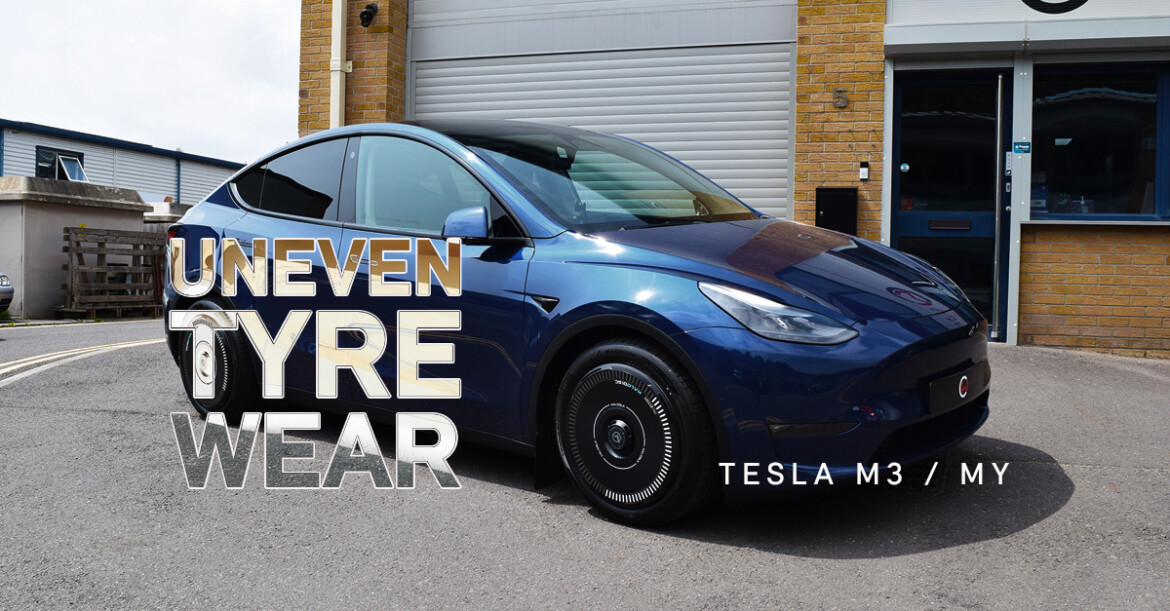
Why So Many Tesla Owners Are Experiencing Rear Tyre Wear
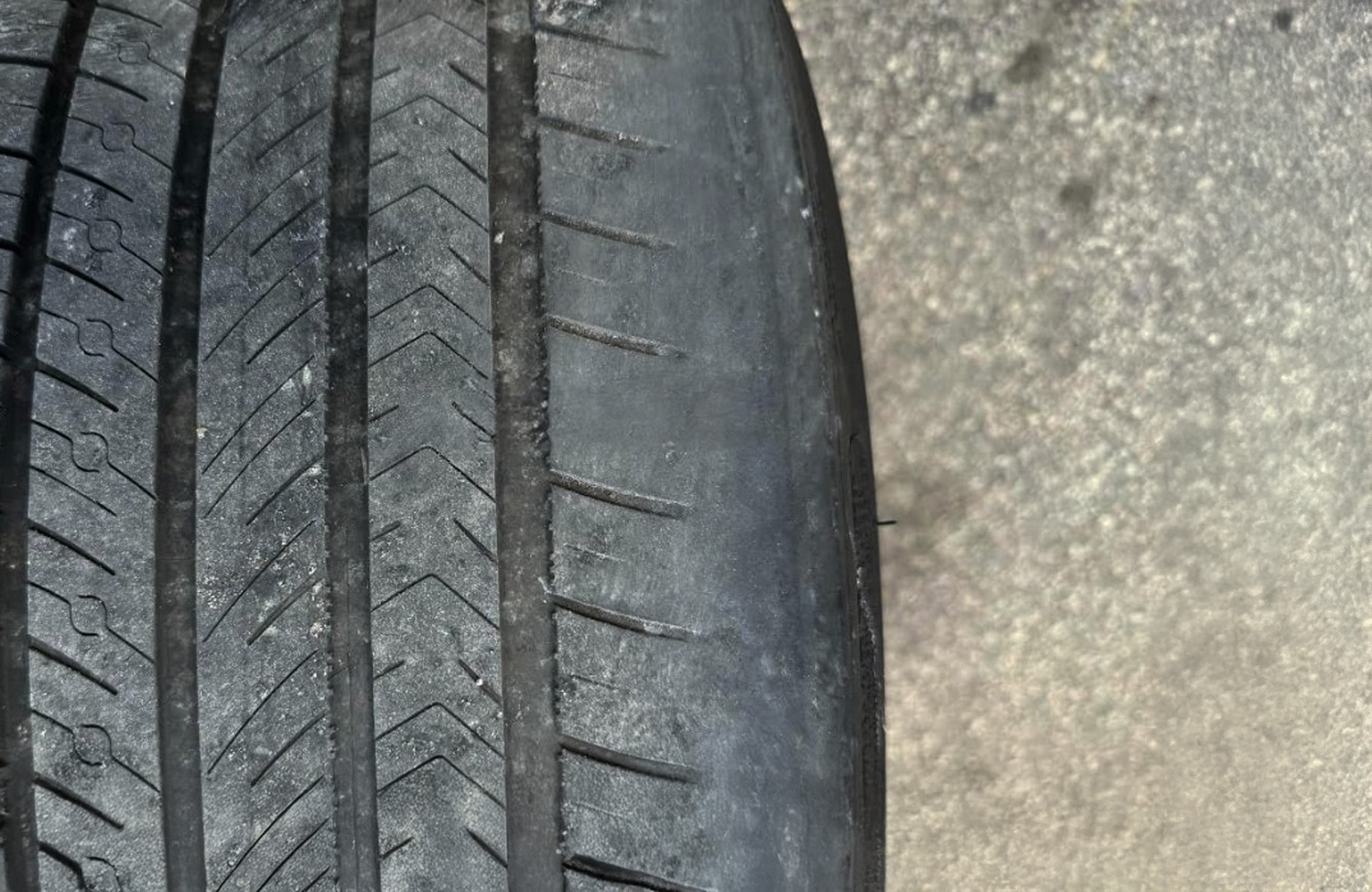
If you own a Tesla Model 3 or Model Y and have noticed excessive wear on the inner edge of your rear tyres, you are far from alone. This issue is now widely reported across owner forums, Facebook groups, and Tesla communities, with many drivers discovering severe tyre wear well before expected replacement intervals.
For most owners, the frustration comes from not just why it’s happening — but why a simple wheel alignment often doesn’t fully resolve the issue.
In this blog, we’ll explain:
- Why uneven rear tyre wear is so common on Model 3 & Model Y
- The symptoms to look out for before tyres become unsafe
- Why factory alignment has limitations
- The proper long-term fix using adjustable rear suspension arms
- How Carbonwurks can help — whether you’re UK-based or overseas
Common Symptoms of Rear Tyre Wear on Model 3 & Model Y
Many owners only notice the problem once tyres are already badly worn. Typical warning signs include:
- Excessive wear on the inner edge of the rear tyres
- Rear tyres wearing out significantly faster than the fronts
- Car passing a visual inspection but failing once tyres are removed
- Alignment previously carried out, yet wear continues
- Increased road noise as tyres degrade unevenly
This is particularly common on dual motor and performance variants, where torque load and factory geometry compound the issue.

The Root Cause: Rear Camber & Toe Geometry
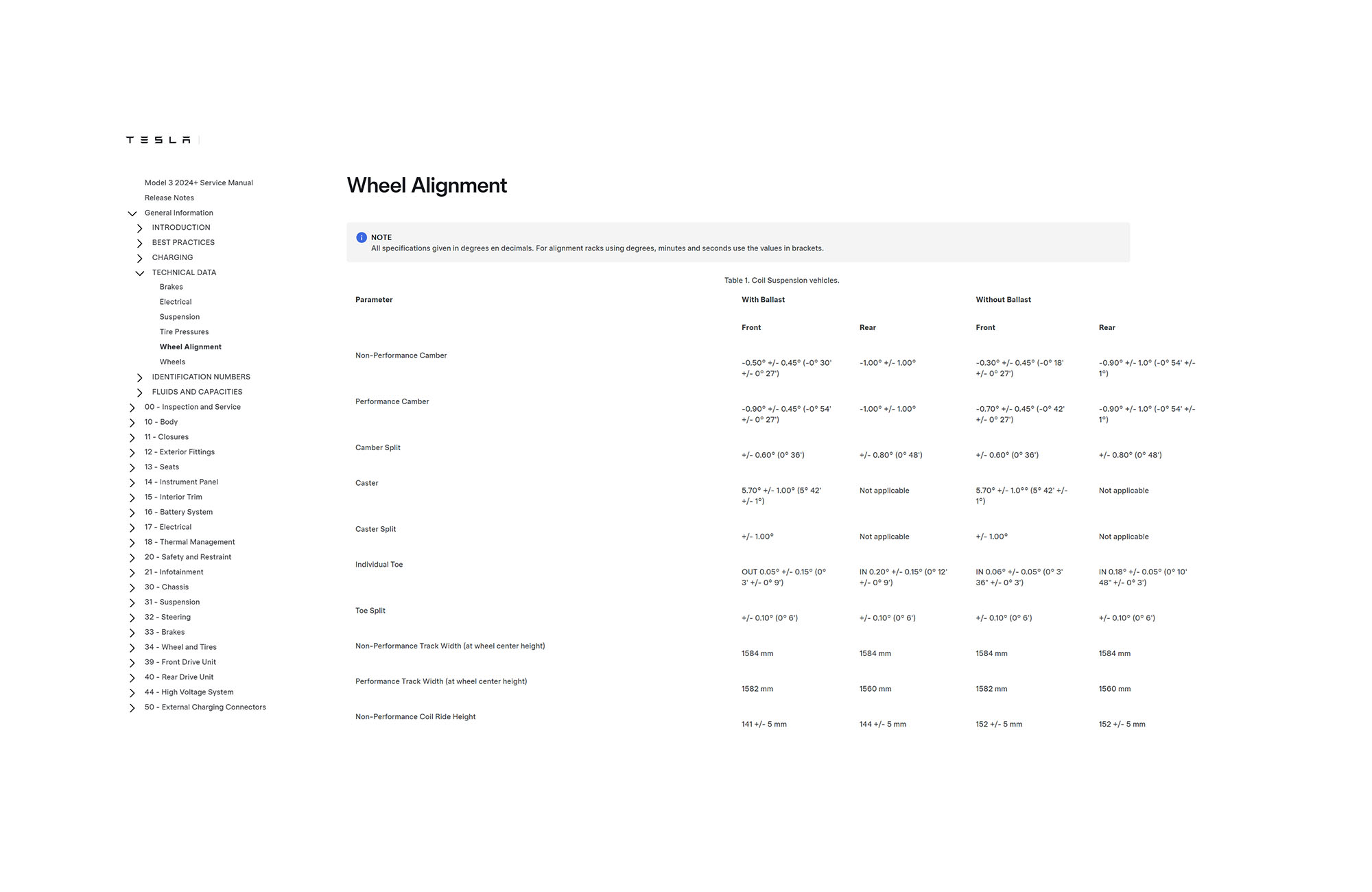
From the factory, the Tesla Model 3 and Model Y run aggressive rear camber settings, especially under load. While this benefits handling and stability, it places a constant load on the inner edge of the tyre.
The problem is made worse by two key limitations:
- Minimal factory adjustability in the rear suspension
- Toe changes under load that cannot be fully corrected with stock arms
Even when aligned within Tesla’s acceptable specifications, the car can still operate in a geometry window that accelerates inner tyre wear.
A widely circulated technical breakdown of this issue can be seen in this video, which visually explains how rear camber and toe interact under load:
Why a Standard Wheel Alignment Isn’t Enough
A professional wheel alignment is always recommended — but on its own, it is not a complete fix for this problem.
Tesla Service Centres can perform alignments, but:
- They are restricted to factory adjustment ranges
- They will not install aftermarket adjustable suspension arms
- They often prioritise “within spec” rather than tyre longevity
As a result, owners may spend significant money on repeated alignments without addressing the underlying mechanical limitation.
Alignment improves tyre wear — but adjustable hardware is required to properly control it.
The Proven Solution: Adjustable Rear Camber & Toe Arms
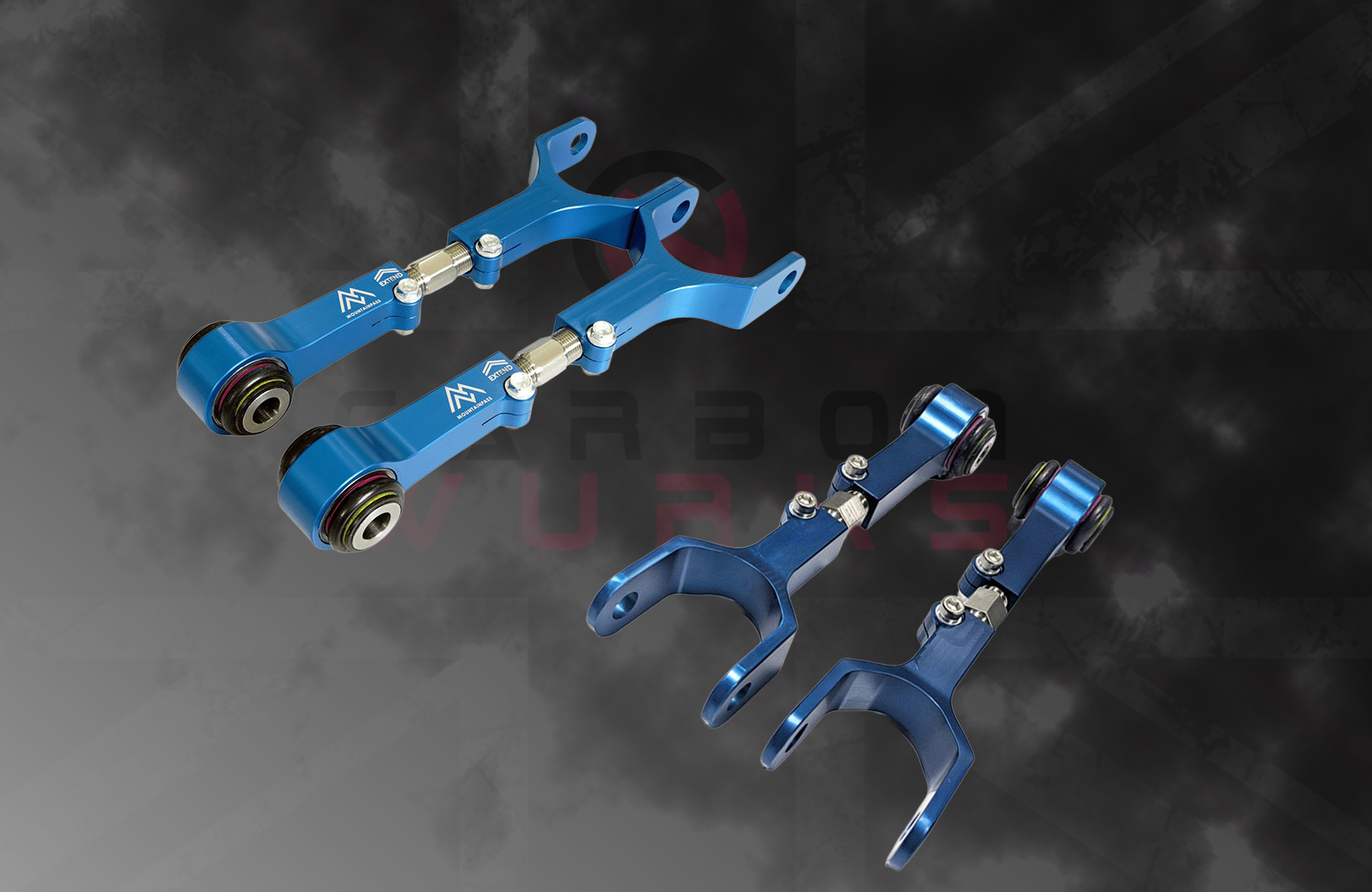
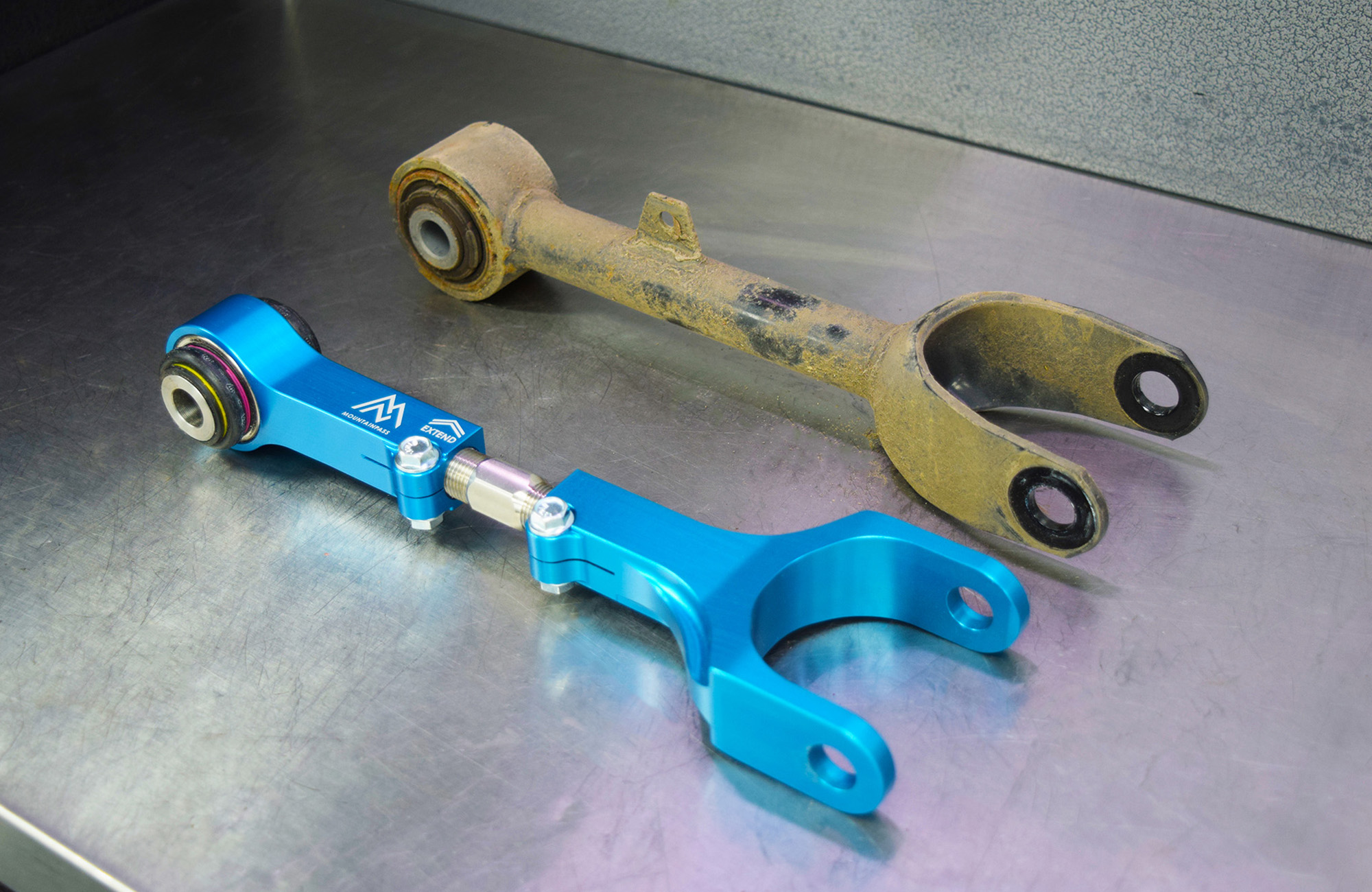
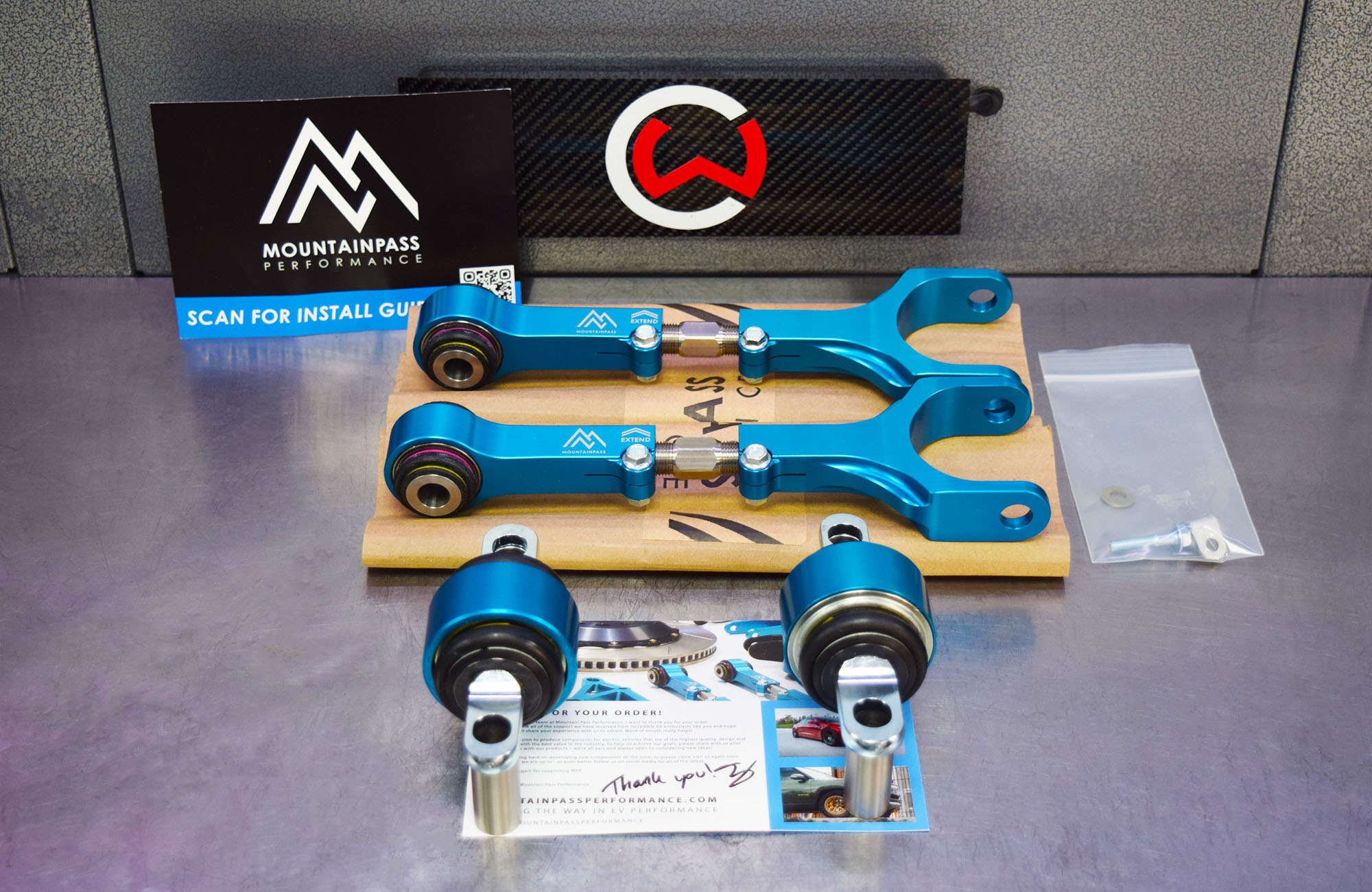
To fully resolve uneven rear tyre wear, the rear geometry must be corrected beyond factory limits. This is where Mountain Pass Performance (MPP) adjustable arms come in.
Rear Camber Arms
Adjustable rear camber arms allow:
- Reduction of excessive negative camber
- More even tyre contact under normal driving
- Improved tyre lifespan without sacrificing stability
Purchase Here: Mountain Pass Performance Rear Camber Arms
Rear Toe Arms
Rear toe arms are just as critical, as incorrect toe will rapidly destroy tyres even with corrected camber. Adjustable toe arms allow:
- Precise toe correction under load
- Improved straight-line stability
- Consistent alignment results
Purchase Here: Mountain Pass Performance Rear Toe Arms
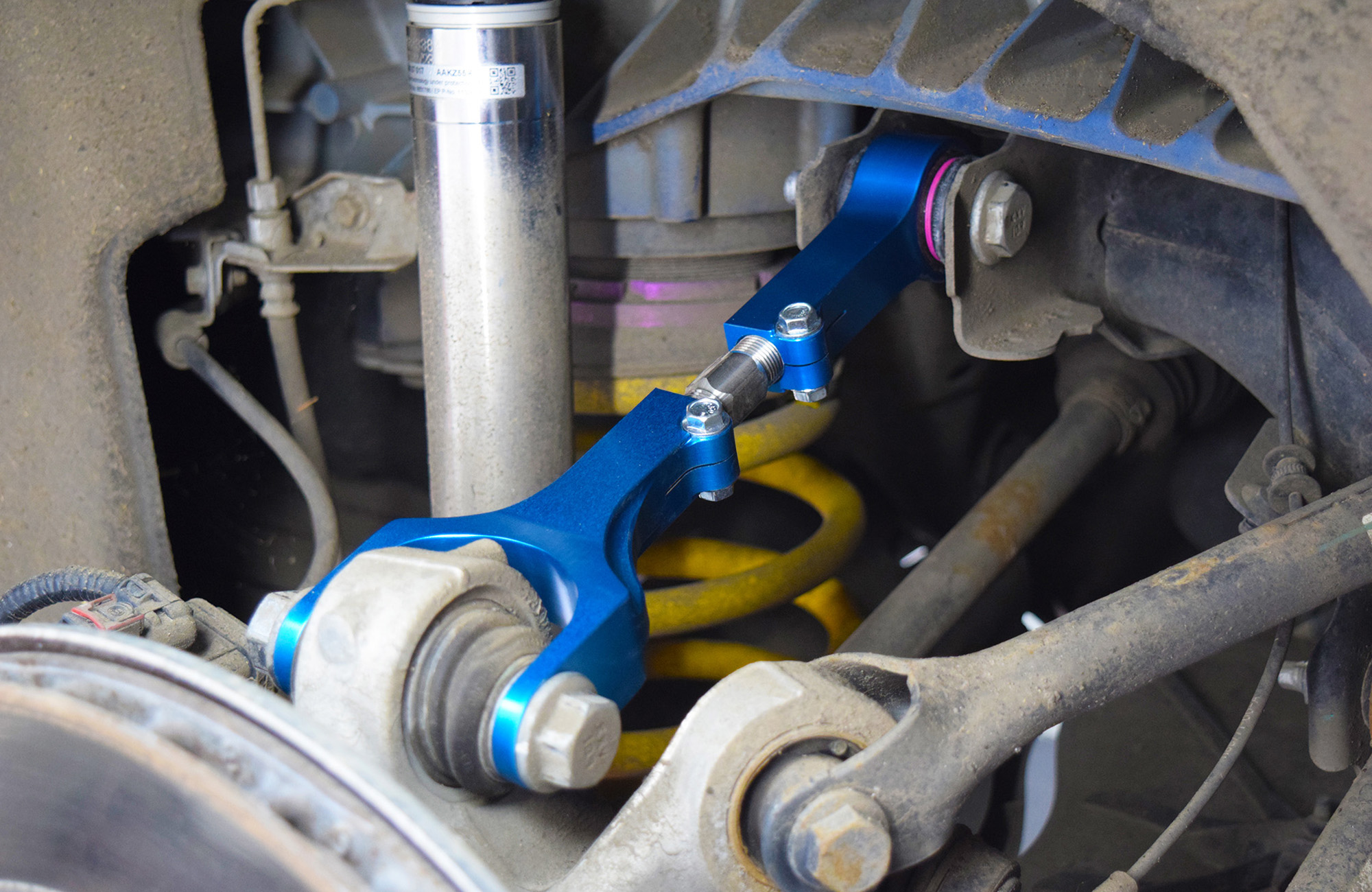
When installed and correctly set up, these components transform how the rear suspension manages tyre contact.
Should the Front Suspension Be Addressed Too?
While rear tyre wear is the most common complaint, some owners also experience uneven front wear, particularly on lowered vehicles or those driven enthusiastically.
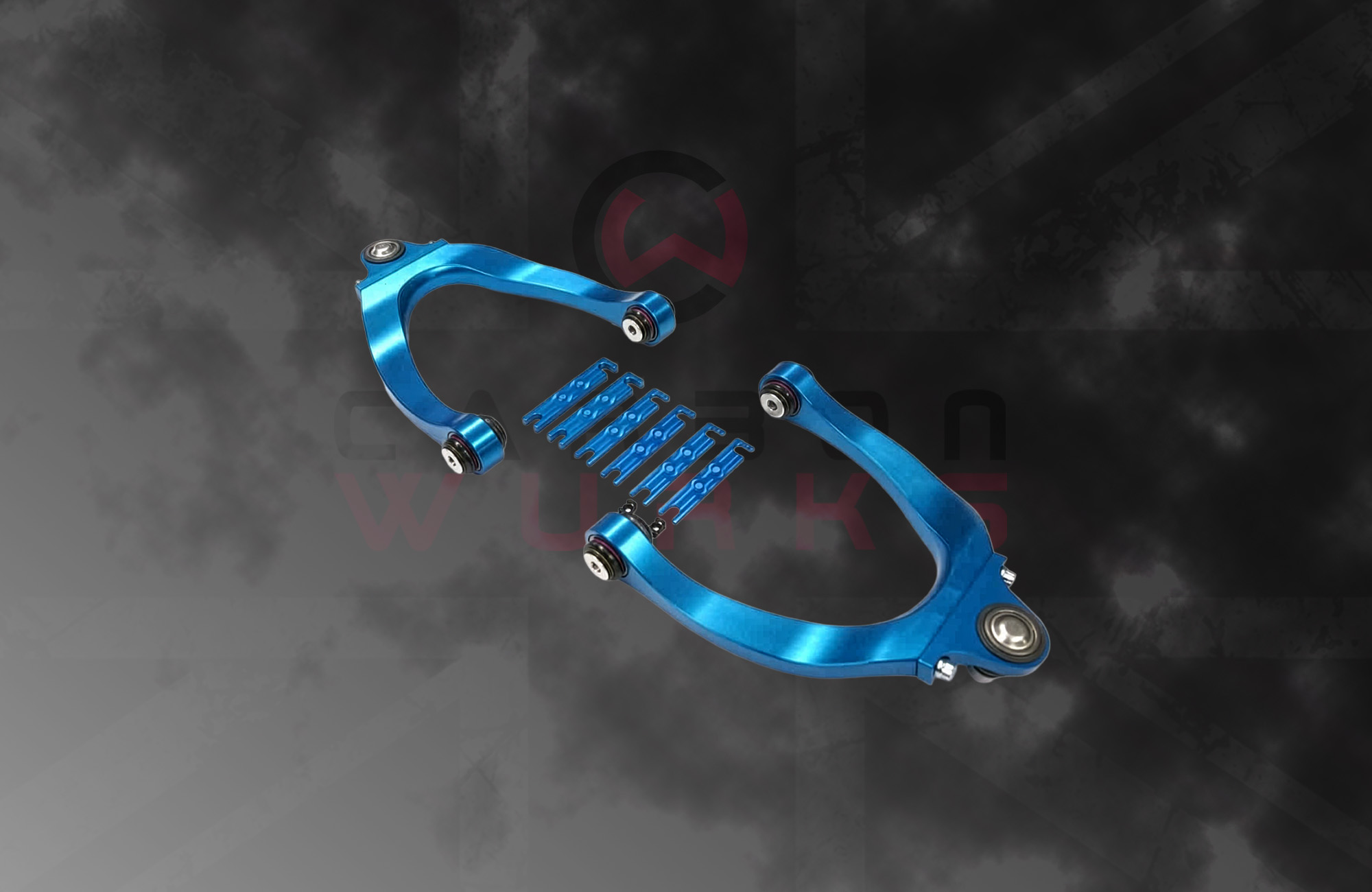
Adjustable front camber arms allow better control over front tyre contact and steering feel. While not essential for every owner, they can be a worthwhile upgrade depending on driving style and setup goals.
Professional Installation, Alignment & Coding Matters
Correct installation is critical. Following suspension changes, the vehicle must be:
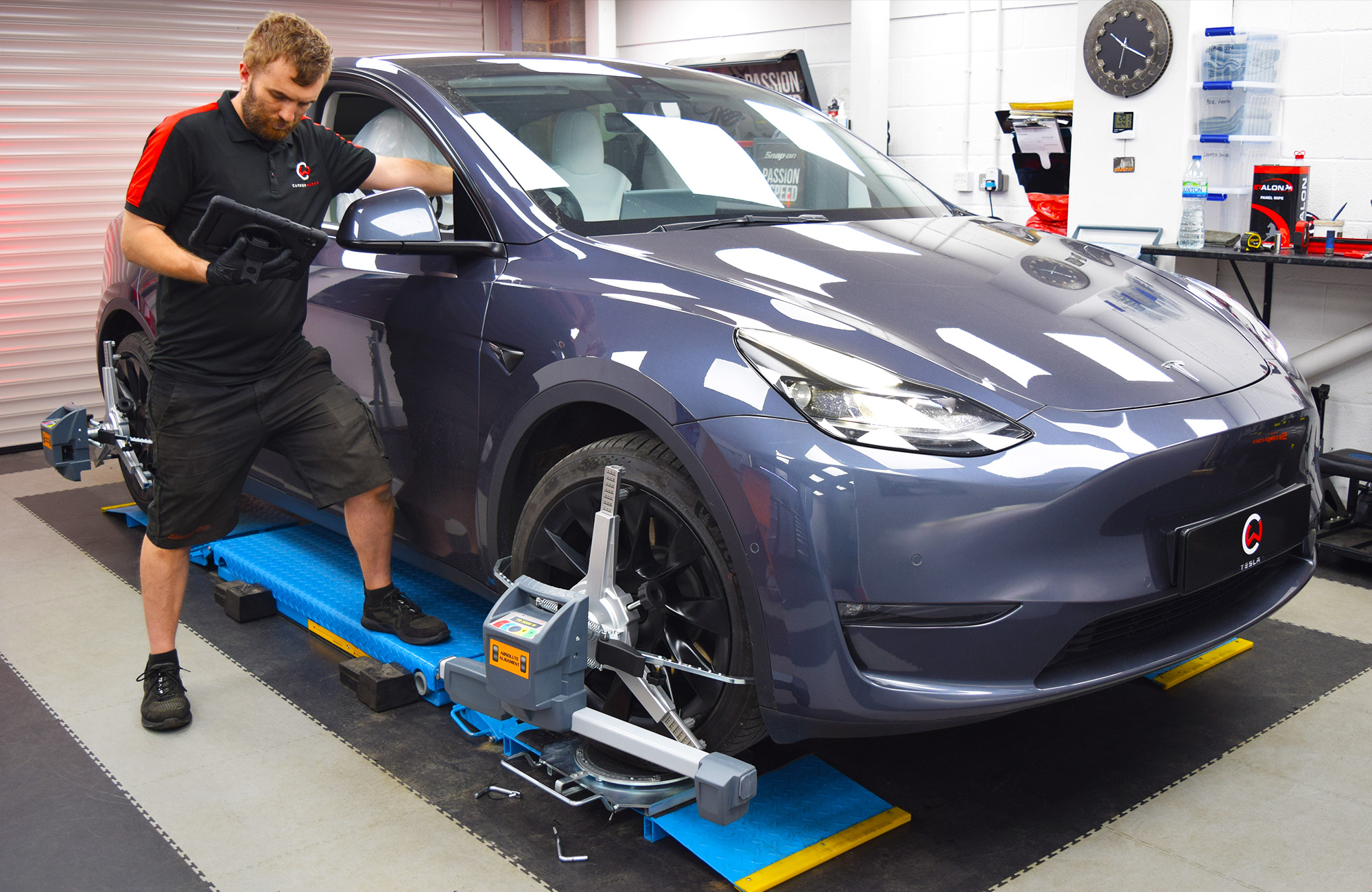
- Professionally aligned
- Correctly calibrated using Tesla-compatible diagnostics
Coding ensures the vehicle’s systems understand the new geometry baseline, preventing incorrect steering angle data or stability control behaviour.
For this reason, this work is best carried out by a Tesla or EV performance specialist with the correct equipment and experience.
All Mountain Pass Performance arms are supplied with detailed installation guides, but specialist setup makes the difference between improvement and a true fix.
UK Supply, Installation & Worldwide Shipping
Carbonwurks can:
- Supply Mountain Pass Performance suspension products worldwide
- Install and set up these components in-house for UK customers
- Carry out professional wheel alignment and full geometry calibration
Our approach focuses on real-world tyre longevity, not just numbers on a printout.
Final Thoughts: Fix the Cause, Not Just the Symptoms
Uneven rear tyre wear on the Tesla Model 3 & Model Y is not a coincidence — it’s a well-documented geometry issue.
A wheel alignment helps, but without adjustable rear camber and toe arms, the problem is rarely solved long-term. Addressing the mechanical limitations is the only proven way to protect tyres and maintain consistent handling.
If you’re experiencing this issue, fixing it properly once is far cheaper than repeatedly replacing tyres.